
Say Goodbye to
loss of Crypto
Cypherock is the World's safest way to hold crypto non-custodial.

Cypherock in the news


Compare. Decide. Stay secure.
Find the right balance of convenience and protection.
Compare all featuresCypherock X0
NewMobile. Simple. Smart.
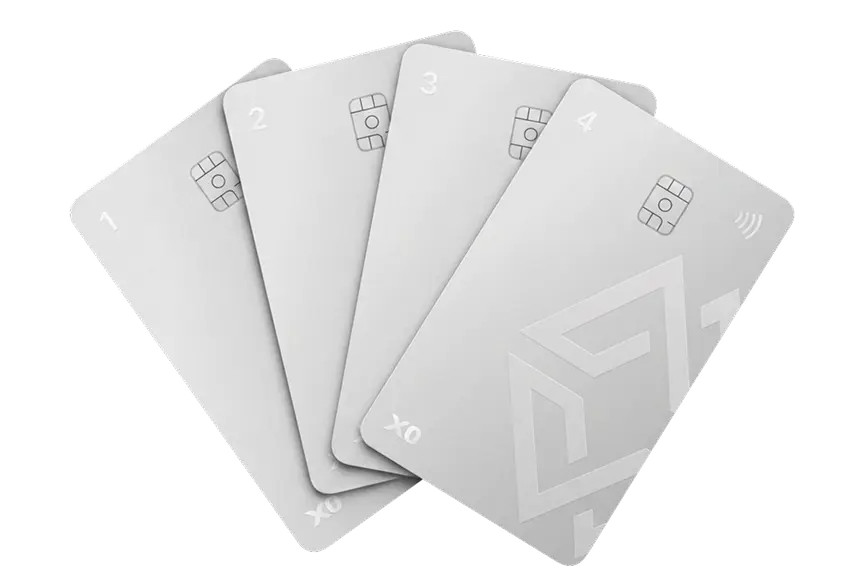
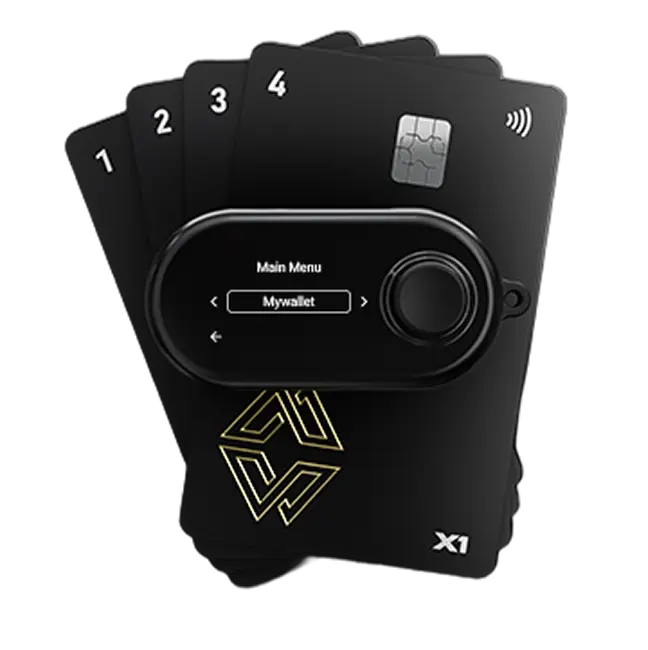
Cypherock X1
Maximum Security. Built to Hodl
Everything is hackable
Even your favorite wallets backups exchanges


But not with us

We don't centralise your keys like Wallets

We don't expose your keys like Backups

We don't store your keys like Exchanges
Cypherock Decentralizes your private keys to Give you 10x More Security.
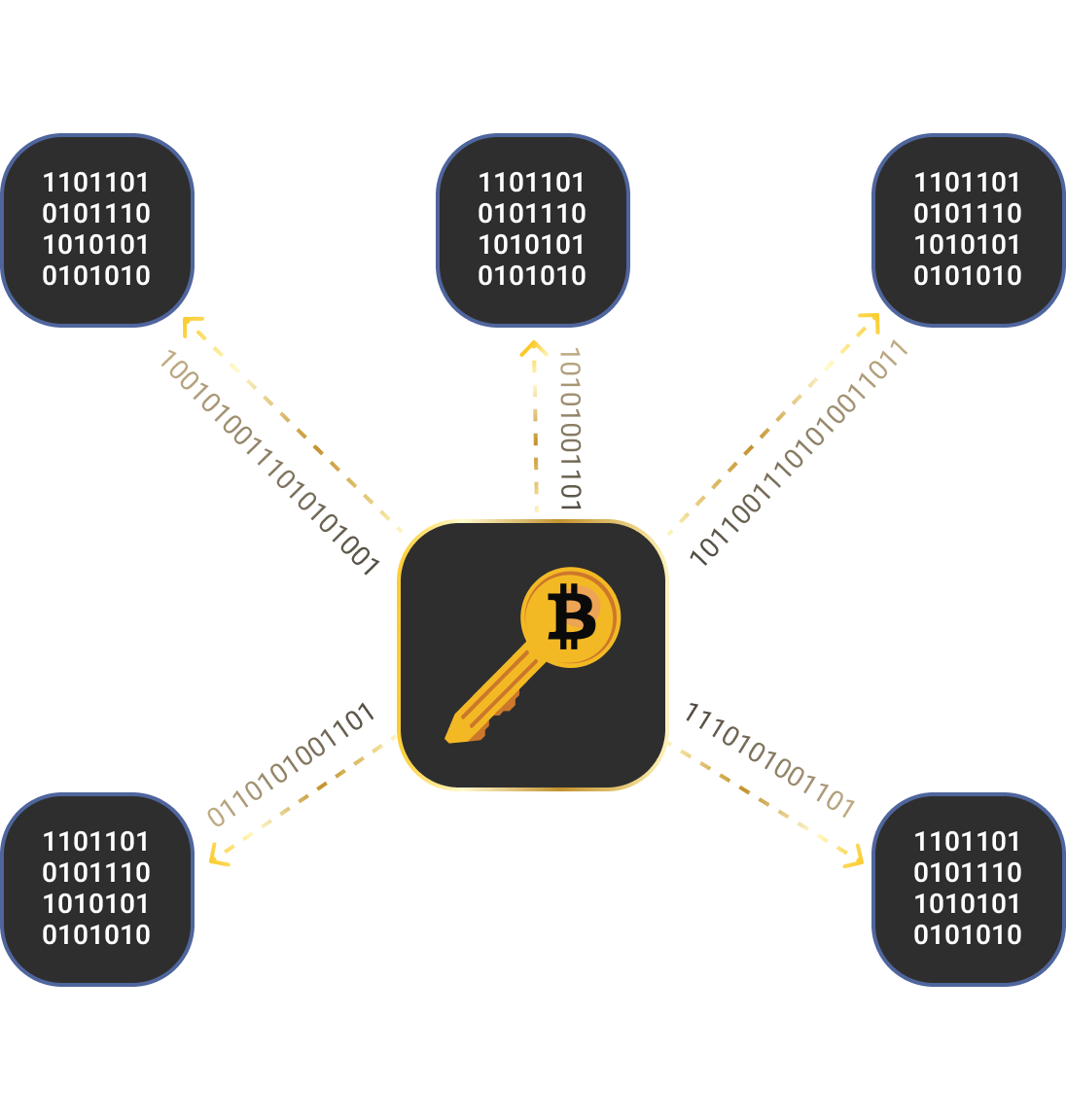
Splitting the Key
Your Crypto private key is cryptographically split into 5 parts using Shamir's Secret Sharing.
-

Varun Deshpande
Crypto Arbitrage Trader
Peter Schiff recently lost his entire $50 Bitcoin stash by not backing up his seed phrase.Cypherock hardware wallet ensures secure seed phrase backups — no single point of failure.
-

Kevin
Crypto Investor
One of the reasons I decided to go with Cypherock hardware Wallet is because of their security. I thought about trezor but Keylabs found flaws in their security.
-

Aaron Barboza
Crypto Trader
Be Your Own Bank with the Cypherock hardware Wallet.
-

Krishna Yogi
Crypto Investor
What Cypherock is doing is nothing short of a revolution in Bitcoin/ Crypto security! Rarely do we have a product that improves both on security and convenience!
-

Bitcoin Moses
Crypto Investor
I just got my Cypherock wallet in the mail. To hell with ledger. Seed phrase secure! Thank you to the Cypherock team. I see big things in the future for them.
And that's not all
Cypherock Hardware Wallet Gives you Features that
Others thought was not possible.
Without compromising security.




Backed by the best
Backed by the best


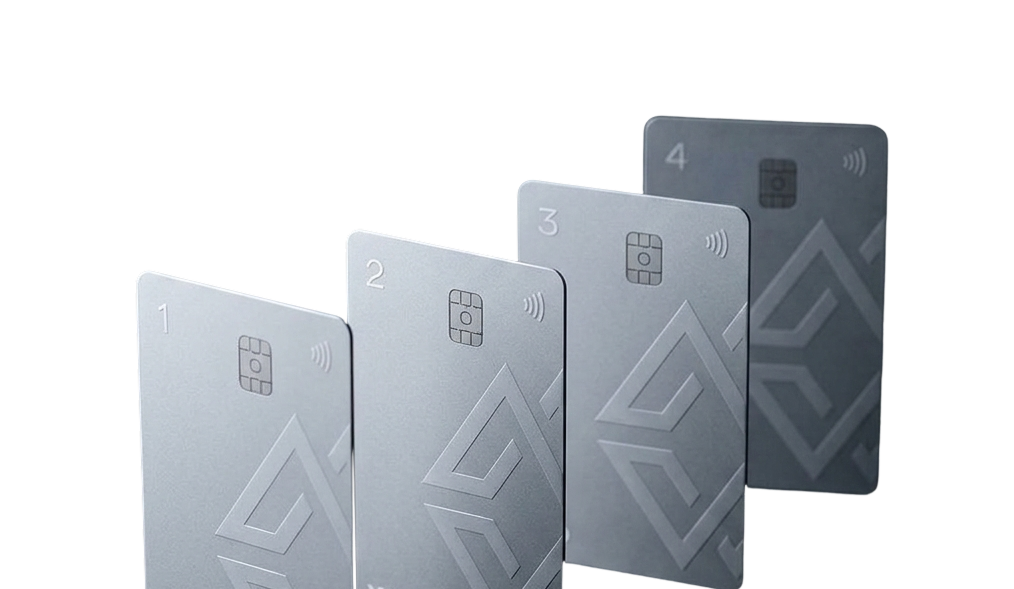
Buy the best hardware wallet today
Secure your digital assets with the most advanced cold storage solution on the market.
Get your CypherockWhat is a hardware wallet?
A hardware wallet is a physical device that keeps your private keys offline, away from your phone, browser, or any internet connection. Instead of trusting an app or exchange to hold your keys, you hold them yourself, in a device malware can't reach.
Why do I need one if I already use an exchange or a software wallet?
Exchanges and software wallets keep your keys on internet connected systems, reachable by hacks, phishing, or a frozen withdrawal. A hardware wallet keeps your keys fully offline and fully yours, no third party ever holds your funds, and no online attack can reach a key that was never connected.
How does a hardware wallet actually work?
Your keys are generated and stored inside the device, never on a connected computer or phone. When you send crypto, you connect the wallet, review the transaction on the device, and approve it there. The device signs it internally, so only the signed transaction ever touches the internet.
Cypherock has two products, X0 and X1. Are they equally secure?
Yes. Both use the same security standard: Shamir's Secret Sharing, splitting your private key into 5 shards where any 2 unlock your wallet. The only difference is where the 5th shard lives: your phone's Secure Element for X0, the X1 Vault for X1. One security standard, every way to own.
What makes Cypherock different from other hardware wallets?
Most hardware wallets, including card-based ones, still store a complete key on each component, so losing or copying one device can compromise your funds. Cypherock splits your key itself using Shamir's Secret Sharing across multiple components, with any two required to access your wallet. No single card, device, or backup ever holds the complete key, no single point of failure.
What if I lose my device? Do I lose my crypto?
No. Your crypto lives on the blockchain, not inside the device. As long as you still hold enough key shards to meet the 2 of 5 threshold, you can restore full access on a replacement device. Losing one component is a recoverable inconvenience, not a loss of funds.
What if I break my hardware wallet, will I lose my assets?
No. A broken device only holds one of several key shards, never your full private key. As long as you still have enough remaining shards to meet the 2 of 5 threshold, you can restore complete access on a new device. A single point of damage never means lost funds.
What happens to my crypto if Cypherock shuts down?
Nothing happens to your crypto, it was never dependent on Cypherock staying in business. Our firmware and software are fully open source, so accessing and restoring your wallet doesn't rely on our servers or our company existing. Your keys, and your ability to recover them, stay yours either way.
Are there any hidden fees?
No. You pay once for the device. The only ongoing cost is the standard network fee for any transaction you send, the same fee you'd pay from any wallet, and it goes to the network, not to Cypherock.
What are the downsides of a hardware wallet?
The main trade off is upfront cost. A hardware wallet is a one time purchase, unlike free software wallets or exchange accounts, and setup takes a few extra minutes compared to signing up for an app. It's a small cost for keeping full control of your funds.