0
$0.00
0 items

Solana is a high throughput blockchain that supports decentralized finance, non fungible tokens, and a wide range of scalable applications. Because Solana achieves fast finality and low transaction fees, the ecosystem attracts developers and users who need high performance. Beyond trading and building, many SOL holders are interested in Solana staking, a core feature that lets holders contribute to network security while earning returns.
Staking aligns incentives, it helps secure validators, and it encourages long term participation. When you stake Solana, you delegate your voting power to a validator, you help the network reach consensus, and you receive rewards for doing so. Solana staking has become popular because it is relatively straightforward, it does not require running complex infrastructure unless you choose to run a node, and it supports both custodial and non custodial options.
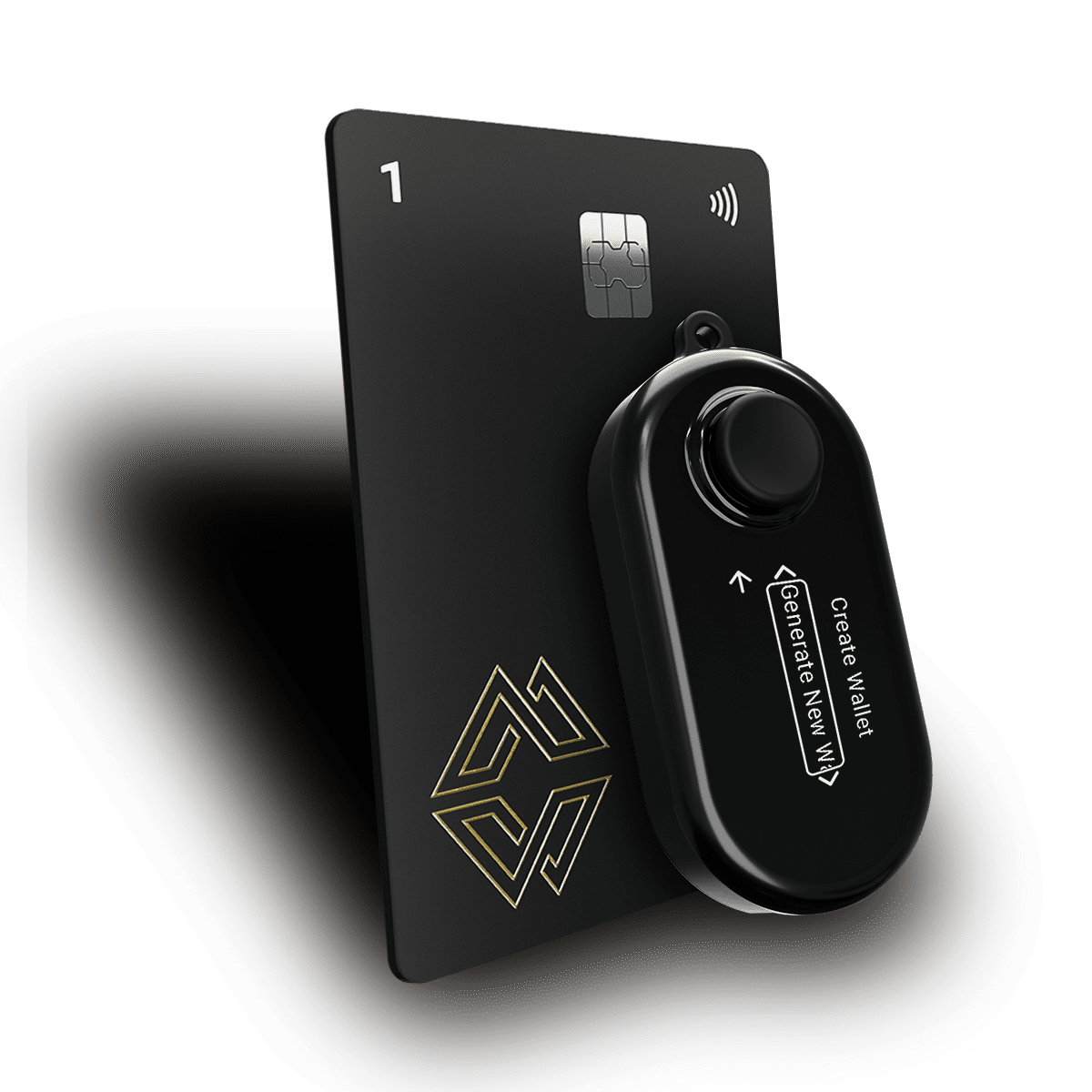
Security matters when you stake SOL, because validators and custodians interact with delegated capital. Hardware solutions such as Solana Ledger devices, and dedicated cold storage options like Cypherock X1, allow you to stake while keeping private keys offline. Let us explore what Solana staking really is, how it works under the hood, the ways you can stake SOL, the potential earnings, the risks involved, and a practical step by step guide to get started.
Solana staking is the process of committing SOL tokens to the network to secure consensus, and to support block production and transaction validation. When you stake Solana, you either run a validator node yourself, or you delegate your tokens to a validator operator who runs a node on your behalf. Delegators retain ownership of their tokens while allowing validators to use delegated stake as influence over the consensus mechanism.
Staked SOL helps determine which validator gets selected to produce the next block. Validators with more stake backing them are more likely to be chosen, and this selection process encourages honest participation. Staking generates Solana staking rewards as validators earn transaction fees and inflationary rewards which they share with delegators after deducting a commission.
Holding SOL idle is an opportunity cost, because tokens not staked do not contribute to network security or yield. By contrast, staking SOL makes your tokens productive and aligned with network health. Validators must maintain uptime and behave correctly, because improper behavior can lead to penalties that affect delegators as well.
When beginners ask what is staking in Solana terms, the simple answer is that it is a permissionless mechanism to secure the chain and earn a portion of validator rewards. The system is designed to remain decentralized, and staking supports a resilient and efficient network.
Solana uses a variation of proof of stake where validators and delegators interact to maintain consensus. Understanding the roles and mechanics is important before you stake SOL.
Validators are the entities that run the node software, they propose and confirm blocks, they maintain ledger state, and they secure the network through active participation. Running a validator requires infrastructure, bandwidth, and operational discipline. Delegators are token holders who do not run a node, instead they delegate their stake to a chosen validator.
Validators accumulate stake from multiple delegators, and the combined stake increases their probability of producing blocks and receiving rewards. Delegators earn a portion of those rewards proportional to their delegated amount, after the validator takes its commission. The relationship is designed to be trust minimized, because delegators can redelegate or unstake if the validator underperforms.
Solana staking rewards come from protocol level inflation and transaction fees. The network mints new SOL over time, and a portion is distributed to validators and their delegators as compensation for securing the chain. The precise APY for staking SOL varies with overall network participation and inflation settings, but typical yields have been within a mid single digit range.
Validator performance matters, because downtime and incorrect behavior can reduce rewards or trigger penalties. Slashing, the act of confiscating a portion of a validator’s stake, is a mechanism to deter malicious activity. In practice, Solana’s slashing events are rare, but delegators should understand that staking involves counterparty risk tied to validator behavior.
When you unstake SOL, there is a cooldown or unlocking period. On Solana, unstaking takes roughly the length of one epoch, meaning tokens are not immediately withdrawable. During the cooldown period your tokens remain non transferable and they stop earning rewards. After the cooldown completes, you may transfer or redelegate your SOL.
Understanding cooldown cycles is important if you need liquidity, or if you plan to move across validators. Frequent unstaking and restaking can introduce additional transaction costs and lost rewards due to epochs and confirmation timings.
There are multiple options when you want to stake SOL. Your choice depends on technical ability, control preferences, and risk tolerance.
Running your own validator provides full control and the potential for higher net rewards. You are responsible for the server, monitoring, security, and operational costs. Solo staking is best suited for technical teams or individuals who can maintain reliable infrastructure and react swiftly to network events.
Running a validator gives you full visibility into performance, and you capture the entire reward share, but you also absorb operational risk and the potential for penalties if the node is mismanaged.
Delegation is the most common route for typical SOL holders. Wallets such as Phantom and Solflare allow you to delegate directly to a validator with a few clicks. When you delegate SOL, your tokens remain in your custody, and you simply assign voting power to a validator. Delegating is simple, it is lower cost than running a node, and it preserves asset control.
You can delegate safely using hardware wallets including Solana Ledger devices, and cold storage solutions such as Cypherock X1, which sign transactions offline and protect private keys from online compromise.
Many exchanges provide staking services that require no setup and no technical work. Exchanges stake on your behalf, and distribute rewards according to their policies. This option is very convenient, but it requires trusting the exchange with custody of your SOL. Centralized exchange staking can make sense for short term convenience, but it carries custodial risk and often lower transparency on validator selection and commission rates.
Pooled staking and liquid staking derivatives let you earn Solana staking rewards while retaining liquidity. Protocols such as Marinade Finance and Lido or similar services on Solana issue a liquid token that represents your staked SOL. You can then use that liquid representative token within DeFi, for lending, or for additional yield strategies.
Pooled staking often balances accessibility and utility, but it introduces smart contract risk and may have different fee structures. If you need chain composability and retained liquidity while staking SOL, pooled or liquid staking is a compelling option.
When evaluating Solana staking pools in 2026, look for four things: independent smart contract audits, decentralized governance (no single team controlling upgrades), a proven track record of at least 12 months without incidents, and transparent validator selection criteria. Marinade Finance is the most established liquid staking protocol on Solana by total value locked. Others exist but carry varying levels of maturity and audit coverage. Never deposit more into a staking pool than you can afford to have locked if the protocol encounters issues.
The biggest limitation of native Solana staking is the cooldown period. When you unstake SOL, your tokens are locked for roughly one epoch — two to three days — during which they earn no rewards and cannot be transferred. For holders who need flexibility, liquid staking solves this problem.
Liquid staking protocols like Marinade Finance issue you a representative token (mSOL in Marinade's case) when you deposit SOL. This token represents your staked position and accrues staking rewards automatically. Crucially, you can use this liquid token within DeFi — for lending, as collateral, or in yield strategies — while your underlying SOL continues earning staking rewards. You get the yield of staking without sacrificing liquidity.
The trade-off is smart contract risk. Liquid staking protocols are governed by code, and vulnerabilities in that code can put deposited funds at risk. Before using any liquid staking protocol, check whether it has been independently audited, how long it has been live, and whether its smart contracts are upgradeable. Upgradeable contracts introduce governance risk — the protocol can change the rules after you deposit.
For most long-term SOL holders who do not need daily liquidity, native delegation through a hardware wallet remains the safer and simpler choice. For DeFi-active users who want to keep SOL working across multiple strategies simultaneously, a vetted liquid staking protocol is worth considering.
| Method | Control | Risk | Rewards | Accessibility |
| Solo Staking | Full control of validator operations | Operational and performance risk | High potential rewards due to no commission fees | Requires technical setup and hardware management |
| Delegation | Moderate control through validator choice | Low risk when choosing reliable validators | Medium rewards depending on validator performance | Easy to set up through wallets like Phantom or Solflare |
| Exchange Staking | Minimal control as exchange manages keys | Custodial and counterparty risk | Medium rewards but limited transparency | Very easy and suitable for beginners |
| Pooled or Liquid Staking | Shared control through staking protocols | Smart contract and platform risk | Variable rewards based on pool performance | Easy access, liquid tokens usable in DeFi protocols |
Solana staking rewards typically vary, depending on network inflation, staking participation, and validator performance. Historical yields for staking SOL have often ranged in the mid single digits, for example between four percent and six percent APY, though these figures fluctuate.
To provide a concrete example, if you stake 100 SOL at a five percent APY, before validator commissions, you might expect to earn about five SOL over a year. That estimate does not factor in validator fees, compounding, or market value changes of SOL. Your actual Solana staking rewards will depend on the validator commission, staking longevity, and whether you choose to compound your rewards by restaking.
Long term, compounding rewards and selecting high reliability validators can meaningfully increase the effective return. Watch validator uptime and commission rates, because even small differences in commission and performance can change long run outcomes.
Staking SOL delivers multiple benefits, and these drive adoption.
First, staking provides a source of passive income, turning idle SOL into ongoing yield. Second, staking contributes to network security and decentralization, because wider distribution of delegated stake reduces centralization. Third, delegating encourages validator competition, it improves node reliability, and it strengthens governance.
From a custody perspective, non custodial staking preserves ownership and control, especially when using secure hardware such as Solana Ledger devices or Cypherock X1. Those security layers protect private keys while allowing you to collect Solana staking rewards.
Finally, participation in staking demonstrates commitment to the ecosystem, it can unlock governance rights or community participation, and it aligns your incentives with long term network success.
Staking SOL carries several categories of risk that every holder should understand before committing tokens.
SOL price volatility means your staking rewards can be outweighed by price declines in fiat terms. A 5% APY means little if SOL drops 30% in value. Staking rewards are denominated in SOL, not dollars, so your real return depends heavily on price.
Validator downtime reduces your rewards. A validator that is offline during an epoch earns nothing, and neither do its delegators. Slashing — the confiscation of a portion of a validator's stake for malicious behavior — is rare on Solana but not impossible. Always choose validators with strong uptime histories and transparent operations. Diversifying across two or three validators reduces concentration risk.
When you unstake SOL, your tokens are locked for approximately one epoch (two to three days) and earn no rewards during that period. If you need immediate access to your funds, native staking is not suitable. Liquid staking addresses this but introduces smart contract risk in its place.
Exchange staking means trusting a third party with your private keys. If the exchange is hacked, insolvent, or restricts withdrawals, your staked SOL is at risk. Non-custodial staking through a hardware wallet is always preferable for long-term holders.
Liquid staking protocols and staking pools are governed by smart contracts. Bugs or exploits in those contracts can result in loss of funds. Only use protocols with credible independent audits and established track records.
Below are step by step processes for common staking routes.
This method allows you to stake SOL quickly while maintaining control of your private keys on the local device.
Hardware wallets provide an additional layer of protection for your Solana staking activity. Connect your Cypherock X1 to a supported Solana staking wallet, such as Phantom or Solflare, and delegate your SOL safely to a trusted validator. Approve the delegation transaction directly on your Cypherock X1 device to complete staking securely.
Your private keys never leave the hardware device, preventing exposure to phishing, malware, or online attacks. The Cypherock X1 goes beyond traditional hardware wallets by splitting key storage across multiple components, ensuring no single device holds the complete private key.
For long-term holders and serious investors, staking SOL through Cypherock X1 is the most secure way to earn Solana staking rewards. While Solana Ledger also supports staking, Cypherock X1 offers advanced multi-layer protection and decentralized key management, making it the preferred choice for safe and reliable staking.
If you choose exchange staking, opt for reputable platforms and review the terms such as withdrawal windows and reward rates. Understand that exchange staking is custodial, and you are trusting the exchange for key management, validator selection, and timely payouts.
For liquid staking, deposit SOL into a recognized pool such as a community vetted protocol. You will receive a token that represents your staked position, which you can use in DeFi. Check the protocol’s security audits and historical performance before depositing.
When you stake Solana, follow practical safety measures.
Research validators carefully, use multiple sources for validator metrics, and prefer those with strong uptime and transparent operations. Diversify delegations across validators to spread operational and counterparty risk. Avoid centralized custody for large long term holdings, and use hardware devices such as Solana Ledger and Cypherock X1 for long term staking.
Monitor validator performance and reward history, rebalance if necessary, and stay informed about network upgrades and protocol changes. Keep your seed phrase and recovery details offline and in secure locations. For pooled or liquid staking, review protocol audits, and only deposit amounts you can afford to commit given smart contract risk.
Question 1: What is Solana staking, and how does it differ from holding SOL?
Answer: Solana staking is the process of delegating your SOL tokens to validators who secure and maintain the blockchain network. By staking SOL, you actively participate in consensus and earn rewards. Simply holding SOL means keeping tokens idle without contributing to the network or receiving Solana staking rewards.
Question 2: How much can I earn staking SOL?
Answer: The average yield from Solana staking typically ranges between 4% and 6% annually. Returns vary based on validator performance, uptime, and network inflation. Validators with consistent performance tend to deliver higher Solana staking rewards over time.
Question 3: How long does unstaking take on Solana?
Answer: When you unstake SOL, it takes roughly one epoch to complete, which usually lasts about two to three days. During this cooldown period, your SOL remains locked and does not earn staking rewards until it becomes available again.
Answer: Yes, staking Solana is considered safe when done through reputable validators and self-custody wallets. Always use hardware wallets such as Cypherock X1 or Solana Ledger to keep your private keys offline and minimize exposure to online threats.
Question 5: Can I stake SOL using a Ledger wallet?
Answer: Yes, you can stake directly through Solana Ledger devices using Ledger Live or integrated wallets like Phantom or Solflare. For additional security and decentralized backup options, cold wallets like Cypherock X1 are highly recommended for Solana staking.
Question 6: Should I use exchanges to stake SOL?
Answer: While exchanges make staking SOL convenient, they are custodial, meaning you do not control your private keys. For long-term security and ownership, non-custodial staking through personal wallets or hardware devices is safer than exchange staking.
Question 7: How often are Solana staking rewards distributed?
Answer: Solana staking rewards are distributed every epoch, roughly every two to three days. The frequency may vary slightly depending on network conditions and the validator’s reward cycle. You can track your earned rewards through your wallet dashboard.
Question 8: Can I change validators without unstaking?
Answer: Yes, Solana allows redelegation. You can switch validators between epochs without waiting for the full unstaking period. However, check your wallet’s interface since some may have specific conditions or cooldown windows before redelegating.
Question 9: Does staking SOL have tax implications?
Answer: In many jurisdictions, Solana staking rewards are considered taxable income at the time you receive them. Always consult a licensed tax professional to understand how staking SOL affects your tax obligations in your region.
Question 10: What happens if a validator is slashed?
Answer: If a validator misbehaves or fails to follow Solana’s consensus rules, they may be penalized through a process known as slashing. This can reduce both the validator’s and delegators’ staked amounts. To avoid losses, choose validators with strong reputations and proven uptime before staking SOL.
Question 11: What are the best Solana staking pools in 2026?
Answer: Marinade Finance is the most established liquid staking protocol on Solana by total value locked, issuing mSOL as a representative liquid token. Other options exist but vary in maturity and audit coverage. Always verify a protocol has been independently audited and has a track record of at least 12 months before depositing.
Question 12: What is the safest way to stake Solana for long-term growth?
Answer: The safest approach for long-term holders is native delegation through a non-custodial hardware wallet. This keeps your private keys fully offline, gives you full control over validator selection, and avoids smart contract risk. Connect a hardware wallet like Cypherock X1 to Phantom or Solflare, choose a high-uptime validator with a low commission rate, and delegate directly. For additional resilience, Cypherock X1 distributes your private key across multiple devices, removing the single-device risk common to traditional hardware wallets.
Solana staking provides a practical way to earn passive income while reinforcing network security and decentralization. Whether you choose to stake via delegation, run a node, participate in pooled staking, or use liquid derivatives, the essential trade off is between convenience, control, and risk.
Prioritize security by using cold storage such as Solana Ledger devices or Cypherock X1, vet validators carefully, diversify your stakes, and understand the cooldown mechanics. With thoughtful selection and proper safeguards, staking SOL can be a rewarding and constructive way to engage with the Solana ecosystem.
To stake SOL securely in 2026 while keeping your private keys fully offline, Cypherock X1 remains one of the strongest hardware wallet options available, with distributed key storage that removes the single-device risk common to traditional cold wallets.
Self-custody solutions like Cypherock X1 provide maximum asset security.