0
$0.00
0 items

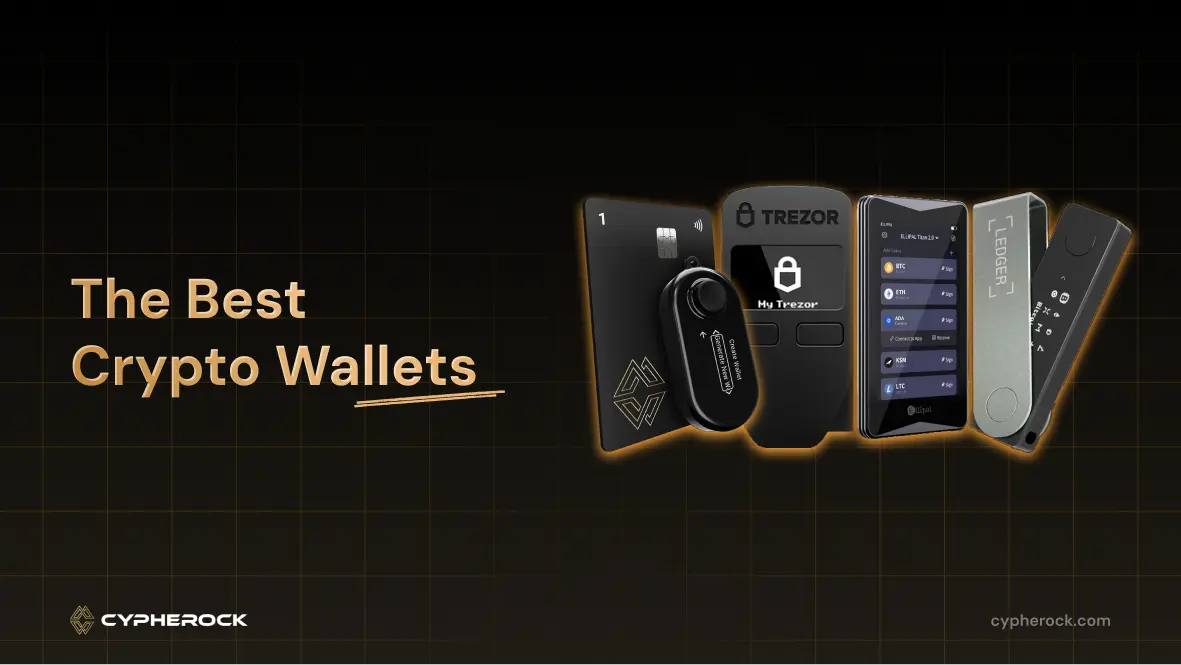
In the cryptocurrency space, ensuring the security of your digital assets is more important than ever. A crypto wallet is not like the physical wallet you carry in your pocket. Instead of storing actual coins, it holds your private keys, the critical element that allows you to access, send, and receive cryptocurrencies on the blockchain. Think of these private keys as your "digital passwords", without them, your crypto is locked away.
The saying, "Not your keys, not your coins", is a reminder that if you don't control your private keys, you don't fully control your cryptocurrency. Keeping your keys safe is crucial, and the right wallet can offer peace of mind and protection against hackers, theft, or technical issues. But with so many wallets out there, how do you choose the best one for 2025?
In this guide, we'll walk you through the best crypto wallets for 2025 based on security, usability, compatibility, and cost. We’ll also highlight how Cypherock X1, our top pick for securing long-term holdings, ensures that your keys are stored offline, offering protection beyond exchange wallets. Ready to make the smartest choice for your crypto? Let’s dive in.
A crypto wallet is not like a wallet you carry in your pocket. You don’t actually keep coins inside it. Instead, your crypto wallet stores digital “keys.” These keys are what let you access your cryptocurrencies on the blockchain. Think of these keys like special passwords. Without them, you cannot send or receive crypto.
There are two main types of keys: public keys and private keys. Your public key is like your email address. You can share it, and people can send you crypto. Your private key is a secret password. You should never share it with anyone. Anyone with your private key can steal your crypto.
You need a crypto wallet to control your coins safely. If you leave your crypto on an exchange, someone else is holding your keys. This means you do not really control your money. The saying goes, “Not your keys, not your coins.” With a wallet, you are in charge.
A wallet keeps your crypto safe, lets you send and receive coins, and helps you take part in things like NFTs, DeFi, or staking. Crypto wallets are your main tool for joining the world of digital money. If you want to keep your assets secure, you need a good wallet.
You will hear people talk about “hot” wallets and “cold” wallets.
When picking a wallet, you want to look at a few main things:
Hot wallets are good for people who need speed. If you make a lot of trades or buy and sell every day, hot wallets work well. But they are at more risk from online hackers.
Cold wallets are for people who want to keep large amounts safe. They are best for “HODLing”—holding coins for a long time. Cold wallets keep your keys offline, so no hacker can get to them over the internet.
Most people in crypto prefer non-custodial wallets for safety and freedom.
Many people type questions like, “Which wallet is safest?” or “What is the best wallet for NFTs?” This guide covers different needs, so you can find the right wallet based on your own life and how you use crypto.
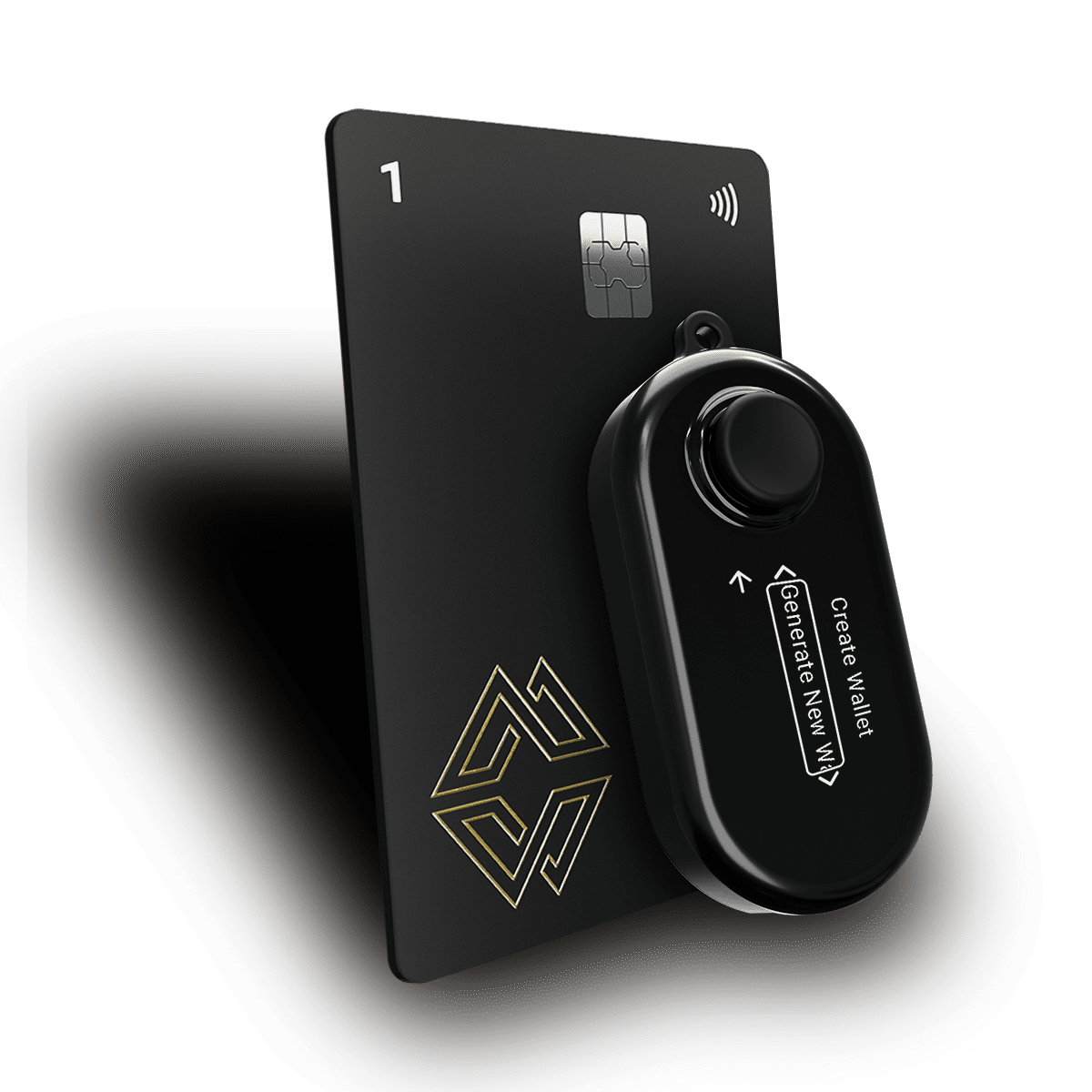
You may have heard of seed phrases or backup keys. But what if there’s a better way? Cypherock X1 is built for people who want the strongest safety for their crypto. It uses a unique split-key system.
Instead of putting your secret in one place, Cypherock X1 breaks it into five parts. You need just two of the five to get your wallet back. That means you can lose up to three pieces and still recover your funds. If someone steals one piece, they cannot get your crypto.
This is called decentralized key backup. It removes the single point of failure found in most wallets. With Cypherock, you don’t have to write down a seed phrase that could get lost, stolen, or destroyed.
Key Features of Cypherock X1
Pros:
Cons:
Who Should Use Cypherock X1?
If you care about not losing your coins, want to plan for inheritance, or manage several wallets, Cypherock X1 could be your best choice. Its technology protects you from the most common wallet disasters.
Exodus is one of the easiest wallets for new users. It’s a software wallet that works on your computer and phone. It is known for its beautiful design and simple controls. You can hold over 50 different blockchains in Exodus.
Key Features of Exodus
Pros:
Cons:
Who Should Use Exodus?
If you want an all-in-one wallet that looks great and is easy to use, Exodus is a top choice. It’s perfect for people who want to try out many different coins.
Zengo is different from most wallets. It does not use a seed phrase. Instead, it uses something called Multi-Party Computation (MPC). This means your secret key is split and stored in different places. You never need to write down a phrase.
Key Features of Zengo
Pros:
Cons:
Who Should Use Zengo?
If you are new to crypto and worried about seed phrases, Zengo is a safe bet. Its security model takes the stress out of losing your backup.
Trust Wallet is the official wallet for Binance, but it’s good for all sorts of coins. It works best on your phone, making it easy to use anywhere.
Key Features of Trust Wallet
Pros:
Cons:
Who Should Use Trust Wallet?
If you want to use your phone for crypto, buy NFTs, or try DeFi, Trust Wallet is made for you. It’s also great if you need support for many blockchains.
Trezor was the first hardware wallet ever made. It is famous for open-source security. With Trezor, your private keys are always offline, which keeps them safe.
Key Features of Trezor
Pros:
Cons:
Who Should Use Trezor?
If you want simple, proven hardware security at a fair price, Trezor is a good starting point.
Your public key lets you receive coins. Your private key is your secret password. Never share your private key. If you do, someone can steal your crypto.
A seed phrase is a list of 12 or 24 words. It can unlock all your crypto if you lose your wallet. Never store this phrase online. Write it down and keep it in a safe place. Cypherock X1 and Zengo make backups safer. Cypherock splits your backup, and Zengo does not use a seed at all.
Many people use more than one wallet. Keep small amounts in a hot wallet for spending or trading. Store big amounts in a cold wallet like Cypherock, Trezor, or Ledger for long-term safety.
If you don’t control your private key, you don’t truly own your coins. Always use a non-custodial wallet for real control.
If you lose your wallet but have your seed phrase or backup, you can get your coins back. Cypherock’s split-key means you can lose up to three pieces and still recover your funds. Always check your backup before you need it.
Watch out for phishing, scams, and hackers. Never share your keys or backup phrase with anyone. Cypherock is built to limit these risks by removing single points of failure.
We look at what real people say. High ratings mean the wallet is reliable and trusted.
Open-source code is a plus. Cypherock, Trezor, and Tangem let anyone check their code. Certifications and unique backup methods, like Cypherock’s multi-shard, add trust.
The best wallets work on many devices and support many coins. If a wallet is hard to use, people are more likely to make mistakes.
Choosing a crypto wallet is a big decision. You want a wallet that is secure, easy to use, and fits your needs.
The smartest move? Use a reliable hot wallet for daily transactions, and a cold wallet like Cypherock for storing large amounts. With the right wallet, your crypto stays safe, and you stay in control.
Want to see how Cypherock X1 can help keep your crypto secure? Visit Cypherock X1 today!
Connect with us:
Twitter: @CypherockWallet
Telegram: Join the Community